12:00: What's working ... and what isn't? Examining models for treating substance abuse
1:00: 'Connections Summer Sessions': Understanding science's 'blind spot'
Last year, nearly 45 million Americans were diagnosed with a substance abuse disorder. That’s according to the Substance Abuse and Mental Health Services Administration. When it comes to treating addiction, what's working? And what isn't? We talk to the team at ROCovery about local peer support, and we hear from a former Biden administration official about the recovery landscape in New York. In studio:
- Kara Izzo, peer support program manager for ROCovery
- Jonathan Westfall, executive director of ROCovery
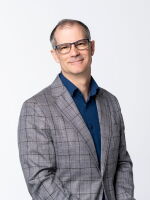
- Rob Kent, president of Kent Strategic Advisors
Then in our second hour, "Connections Summer Sessions" continues. Can science provide absolute knowledge and understanding? Three scientists have united to say that it cannot, and they go further: they write that science can suffer from a blind spot, ignoring the power and value of human experience. It's not a condemnation of science — not at all. Rather, the scientists argue that science provides vital insight into the world as we experience it, but it does not supplant our experience, which needs to be taken into account. This controversial piece sparked debate in the scientific community. Two of the three authors join us to discuss it in this special rebroadcast. Our guests:
- Adam Frank, professor of astrophysics at the University of Rochester, and author of several books, the latest being "Light of the Stars: Alien Worlds and the Fate of the Earth"
- Marcelo Gleiser, theoretical physicist at Dartmouth College in New Hampshire
"Connections" is livestreamed each day on the WXXI News YouTube channel. Watch here.