The 56th annual Puerto Rican Festival is expected to bring thousands of people to Rochester for a multi-day celebration of music, food, community, and heritage.
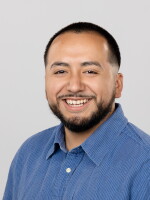
Orlando Ortiz, president of the festival, joined WXXI’s Latino communities reporter Jose Sandoval to discuss the festival, how they are trying to reach younger generations of Latinos, and what measures are being taken to prevent activities that occur away from festival grounds.
The following is a transcription of that conversation, which has been edited for time and clarity. You can hear their conversation by clicking the LISTEN button below the headline.
JOSE SANDOVAL: Rochester is home to the second-biggest population of Puerto Ricans in New York state outside of New York City. What does this festival mean to Puerto Ricans not just here in the area, but also surrounding communities as well?
ORLANDO ORTIZ: We continue to see it grow not only with just Puerto Ricans, even though it's a Puerto Rican festival. We typically get a lot of support from Dominicans, Cubans, Colombians, Venezuelans. So, every and anybody that considers themselves Latino or Hispanic, we try to embrace them as our own and come out with your own flags and celebrate as well.
SANDOVAL: Can you talk about any of the differences from this year's festival, maybe compared to last year, the year previous to that?
ORTIZ: One is we're trying to focus on our children's activities areas and trying to develop that and educate our children about our culture. So one of the things we're doing this year we're having a book reading from a Latina author who's also going to be on site to read their book and that book is also in English and Spanish. The La Casita experience. I think that's going to be an exciting piece, just because we typically never had that before. So it's going to be another stage to the side of our main stage, and the programming that's being done around that is extremely culturally relevant.
SANDOVAL: Do you want to explain Casita?
ORTIZ: For people that have been watching the Bad Bunny tour, he has a house in one of his sets, and it's intended to represent, you know, the Puerto Rican household that you're on the porch or the balcony having fun with some friends, colleagues or whatever, family. We have a house at the festival site this year, and we'll have some programming around the porch as well, and making sure that you know we kind of bring a little piece of Puerto Rico into the festival itself.
SANDOVAL: What are y'all trying to do to bridge the generational gaps from these different generations of Latinos who are growing up, not just in the city of Rochester, but also surrounding communities as well?
ORTIZ: As we grow outside of the island, we lose a little bit of that cultural aspect, and one of the things that we strive ourselves in is making sure that we're educating our children. So we're having those children's activities. We have a dominoes tournament on site, the parade, making sure that we're contacting the younger folks in the community that want to be part of the parade to showcase their pride and teach them what is the right way to showcase our pride.
SANDOVAL: Post-festival activities that occur afterward that has nothing to do with the festival. Why do you think people may associate those activities with the festival? And like, how does that make y'all feel as festival organizers about the fact that people connect that with it, even though it's not part of the festival?
ORTIZ: The reality is it happens after the festival ends, not on site, happens miles away, and one of the things we've tried to engage is talking to the Northeast Safety Committee, the Rochester Police Department, the city, just to make sure we have an understanding not only how to prevent it, but understanding why it's happening. That's why our focus more is on the parade itself and inviting those folks that may be going to those late night impromptu parades or activities to come onto the festival parade and, you know, showcase your pride that way. This year we have even more folks from the community that have gathered together, motorcycle clubs, car clubs, antique clubs, military, all the different, you know, areas that we feel are important for us to display in the parade are going to be part of the parade.